En
- En
- عربي
- Deutsch
- Français
- Español
- Русский язык
- 한국어
- Nederlands
- Português
- 日本語
- Türkçe


Let's Have A Chat
We Have A Exclusive Offer For New Customers! Would You Like To Get Customized Packaging Solutions?
Let's Have A Chat
Would You Like To Get Customized Packaging Solutions Now? Just Leave Some Details And Our Team Will Contact You Quickly!


NEWS
INFORMATION

NEWS
INFORMATION


2025 Top Trends and Technologies In Flexible Packaging
2025-05-22 17:44:48
Click:
“
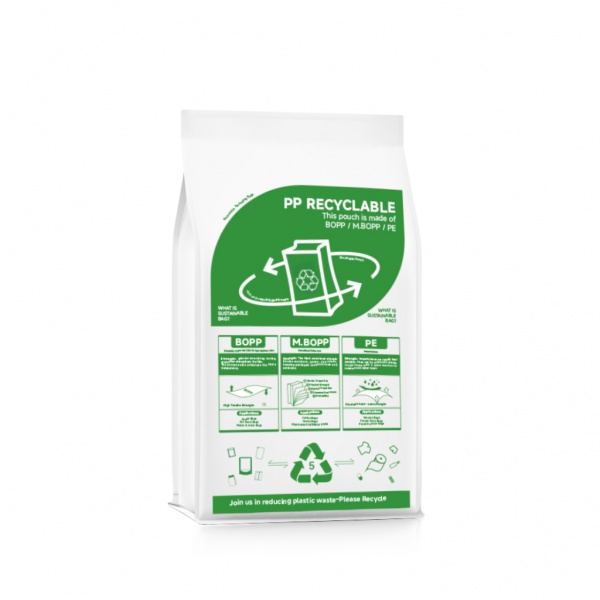
The flexible packaging industry is rapidly evolving with growing consumer demand for sustainable, recyclable, and tech-enhanced solutions. In this article, we explore the key trends and innovations driving this growth in 2025—from mono-material recyclability and paperization to graphene-enhanced packaging and digital printing.
”
Consumer demand for sustainability and innovation is fueling the flexible packaging industry's explosive growth.Smithers projects that the global market for flexible packaging will expand at an annual growth rate of 3.4%, from 31.5 million tonnes in 2021 to 37.5 million tonnes by 2026.The leading trends and technological advancements influencing flexible packaging in 2025 are examined in this article.
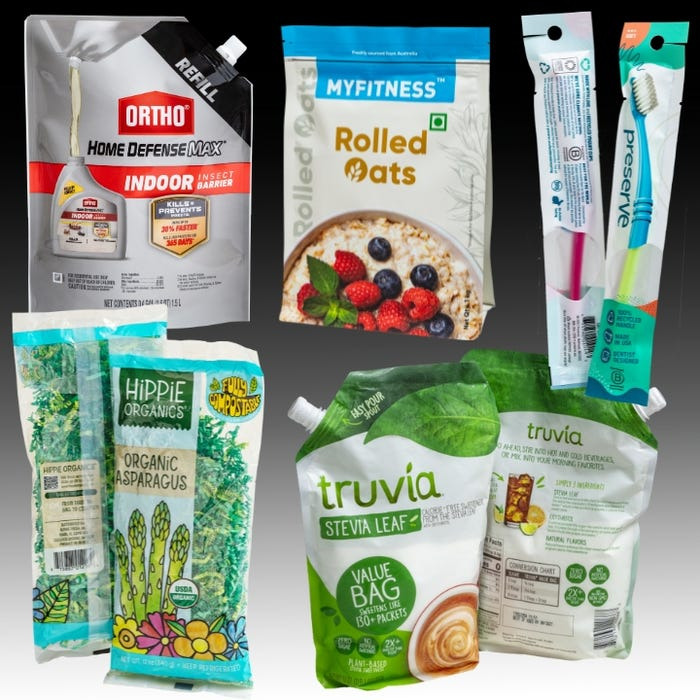
Recyclability is still a top priority for flexible packaging.Packaging materials are becoming more recyclable because to innovations like mono-material designs and sophisticated recycling technology.Similarly, according to a McKinsey report from 2024, 74% of consumers are willing to pay more for goods with environmentally friendly packaging.Because they give environmental factors top priority while making purchases, Millennials and Generation Z are especially affected by this tendency.
2.Paperization
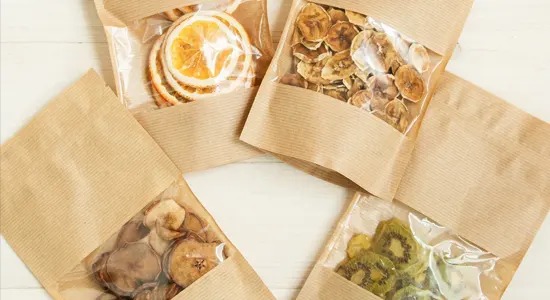
'Paperization' indicates the transition from plastic to packaging made of paper.Companies will keep concentrating on creating flexible packaging with recyclable materials and/or recycled content. Alternatives made of paper are becoming more and more popular because they are recyclable and biodegradable.
3.Source Reduction
Brands will keep concentrating on reducing the amount of materials they need by using rigid-to-flexible switches, thinner films, and smaller packs that use less material.These methods minimize production costs while simultaneously lessening their impact on the environment.
4.Eco-Friendly Materials
The flexible packaging sector is shifting toward the use of recycled materials, paper-based substitutes, and more ecologically friendly materials (such as bioplastics derived from seaweed or mushrooms, for instance).These materials provide environmentally friendly alternatives without sacrificing use.
5.New Technologies and Structures
Flexible packaging is being transformed by technological advancements.New materials are being engineered by manufacturers and brand owners as part of their ongoing innovation.For instance, materials improved with graphene provide greater strength and endurance.The world's first commercial polyethylene stretch film, created with Gerdau's graphene masterbatch, which uses 15% to 30% less virgin resin, is being released by film manufacturer Packseven.An atomic monolayer of carbon atoms organized hexagonally in a pattern like a honeycomb makes up graphene, an incredibly strong material.Graphene fortifies the polymer matrix when mixed with plastics.It increases electrical and thermal conductivity, strengthens the barrier against liquids and gases, improves puncture resistance, and provides protection from weather, oxidation, and UV light.
6.Food Safety
Packaging plays a crucial role in food safety and quality. Customers, authorities, and therefore brands will ensure that packaging preserves food quality and prolongs shelf life without causing 'chemicals of concern' to seep into the product.Over the years, consumers, brand owners, flexible package manufacturer, and regulators have targeted and addressed chemicals of concern in packaging, especially flexible packaging, such as bisphenol-A (BPA) and perfluoroalkyl and polyfluoroalkyl substances (PFAS).
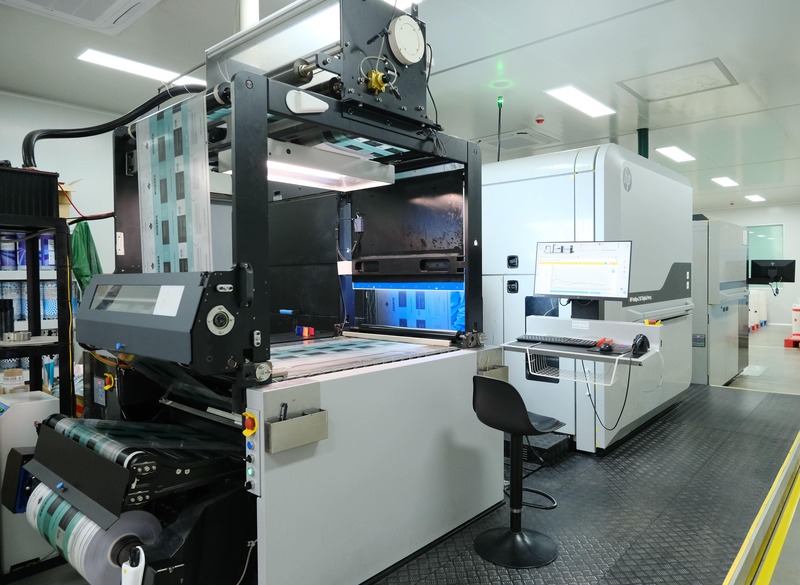
Digital printing is becoming more popular in flexible packaging because of its speed, adaptability, ease of customizing designs (for artisan or seasonal products, for example), and capacity to manage short runs .By using less energy and trash than conventional printing techniques, it also contributes to sustainability.Some manufacturers are using a hybrid strategy that combines flexographic and digital printing.
8.Ecommerce
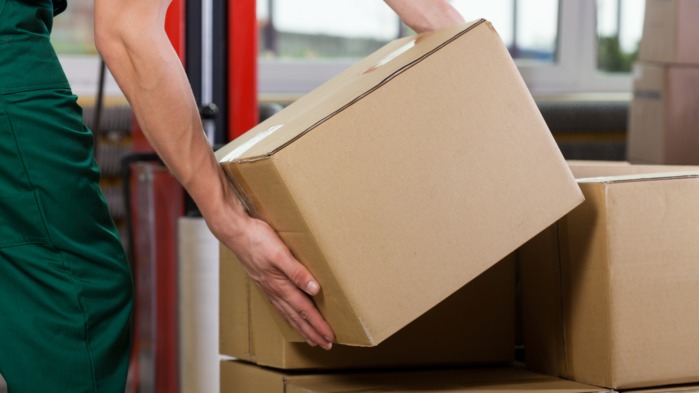
The need for flexible packaging that is lightweight, strong, and simple to ship is being driven by the expansion of e-commerce.When shipping in the small-parcel environment, where packages end up in any orientation rather than just upright like in a contained pallet load, hermetic seals on flexible packaging have the advantage of being naturally leak-proof.
Conclusion
In 2025, the flexible packaging sector will be characterized by notable developments in consumer-driven shifts, technological innovation, and sustainability.For businesses and companies looking to gain a competitive edge in the changing market, embracing these trends is crucial.
Leading the way in flexible packaging innovation, Puropak provides high-quality, customizable packaging solutions that follow the most recent developments in the market. Explore Puropak’s sustainable packaging today!