En
- En
- عربي
- Deutsch
- Français
- Español
- Русский язык
- 한국어
- Nederlands
- Português
- 日本語
- Türkçe


Let's Have A Chat
We Have A Exclusive Offer For New Customers! Would You Like To Get Customized Packaging Solutions?
Let's Have A Chat
Would You Like To Get Customized Packaging Solutions Now? Just Leave Some Details And Our Team Will Contact You Quickly!


NEWS
INFORMATION

NEWS
INFORMATION
The Ultimate Guide to Best Frozen Food Packaging for Your Needs
2025-11-06 15:03:36
Click:
“
The global frozen food packaging industry is evolving to meet modern demands for freshness, safety, and sustainability. With the market projected to exceed USD 500 billion by 2032, brands are shifting toward flexible, high-barrier, and recyclable packaging solutions. Puropak leads this transformation by delivering advanced frozen food packaging that enhances shelf life, reduces waste, and ...
”

Due to changing consumer preferences for convenience and longer-lasting products, the frozen food sector is steadily expanding globally.The global frozen food industry is expected to increase at a compound annual growth rate (CAGR) of 3.8% from 2024 to 2032, reaching USD 504.4 billion, according to Fortune Business Insights.Frozen food packaging is now at the forefront of innovation and quality assurance due to this spike in demand.In order to keep foods safe from freezer burn, moisture loss, and microbiological contamination throughout prolonged storage and international transportation, effective packaging is essential for preserving product freshness, flavor, and nutritional content.Packaging is an essential component of brand integrity and customer trust in a market that is becoming more and more competitive.
Food makers are using high-barrier laminated films, recyclable pouches, and vacuum-sealed packaging that strike a balance between protection and environmental responsibility as sustainability and efficiency become industry imperatives.Up to 20% of frozen food waste is caused by poor packing, according to research by the Food and Agriculture Organization (FAO); this loss can be greatly decreased with improved materials and sealing technology.This articel will assist companies in making well-informed packaging selections that span materials, innovations, sustainability tactics, and cost optimization.
Knowing Frozen Food Packaging
Frozen food packaging is specifically made to keep goods safe from below-freezing temperatures without compromising their integrity or quality.The primary goal is to offer a barrier against light, moisture, and air to stop deterioration and guarantee a product that is safe and appealing to customers.
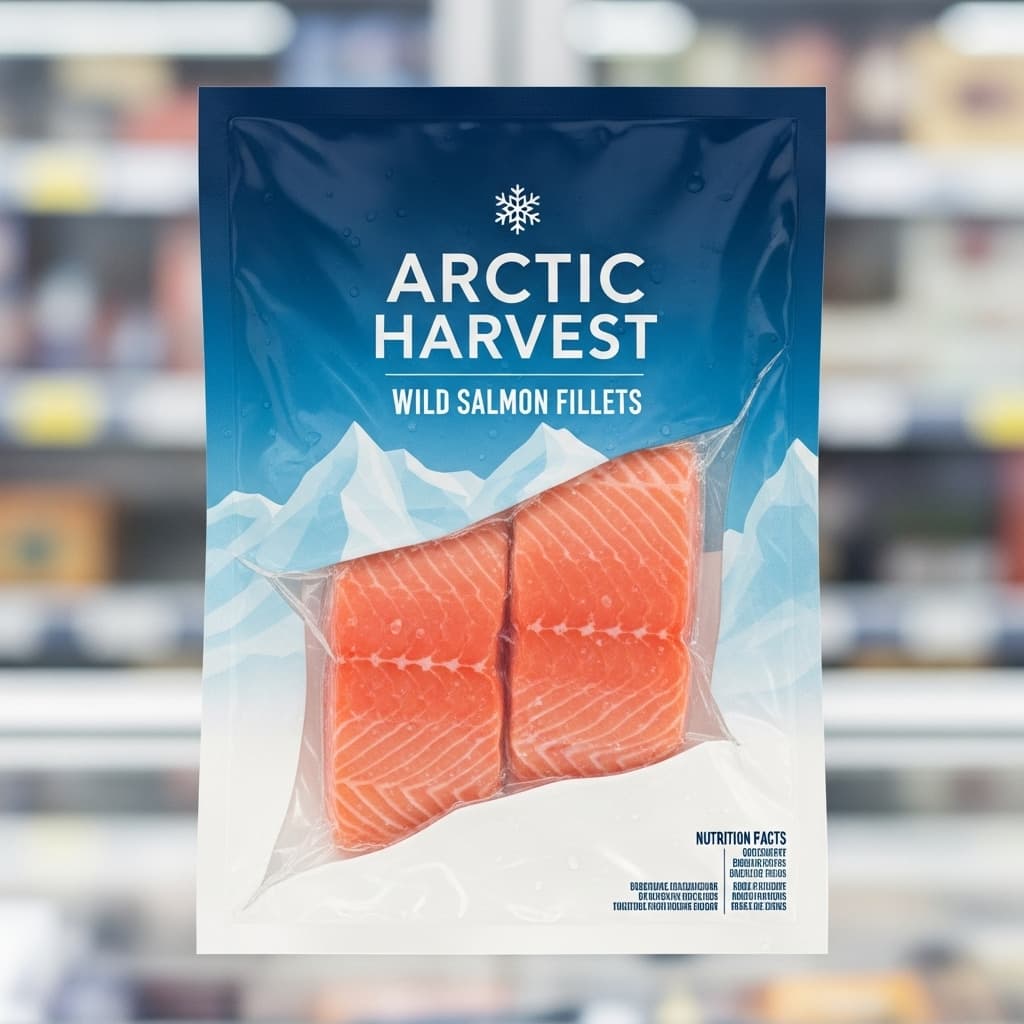
Strong sealing, durability, flexibility, and resistance to punctures and low temperatures are all necessary for effective frozen food packaging bag.Polyethylene (PE), polypropylene (PP), and multi-layer laminated films that combine strength and insulation are common materials.Some frozen food brands also use vacuum-sealed pouches or high-barrier films to enhance product longevity and freshness.
Packaging Types for Frozen Foods
Because of their lightweight design, affordability, and superior performance under freezing conditions, flexible packaging options are becoming more and more popular in the frozen food industry.
Freezer bags are perfect for storing fruits, vegetables, seafood, and meat in large quantities.In addition to offering an airtight seal that guards against freezer burn, these bags are made to withstand tears and punctures.
Flexible pouches packaging : Both flat and resealable stand-up pouches are frequently used for frozen snacks, dumplings, and ready-to-eat meals.They provide excellent sealing performance, customized printing choices, and ease of use for customers.

Considerations for Packaging Selection
A number of important considerations influence the choice of frozen food packaging bag:
Food Type: Various items need varying degrees of protection.Meat and seafood, for instance, require thicker barrier sheets than baked products or vegetables.
Storage Time and Conditions:Packaging with superior moisture and oxygen barriers is necessary for long-term frozen storage in order to avoid spoiling.
Sustainability and Environmental Impact: Today's consumers are drawn to environmentally friendly products.To support sustainability objectives and improve brand reputation, take into account recyclable or biodegradable materials.
Packaging Innovations for Frozen Foods
Technological and Material Advancements
Traditional rigid containers have been replaced with contemporary materials including co-extruded barrier constructions and multi-layer laminated films.These developments offer better defense against oxygen, moisture, and temperature changes—all of which are crucial for maintaining flavor and freshness.For example, high-barrier EVOH films and retort-grade PET/PE laminates preserve product integrity throughout extended cold storage.Prominent frozen food packaging companies, such as Puropak, include cutting-edge digital printing and lamination technologies that provide shorter production runs, quicker turnaround times, and enhanced visual appeal, assisting frozen food brands in swiftly responding to consumer preferences and market trends.

Intelligent Packaging Options
Smart packaging, which combines sensors, time-temperature indicators (TTIs), and QR codes, is another innovation that is changing the market.Throughout the supply chain, manufacturers and retailers can keep an eye on storage conditions thanks to these technology.TTIs, for instance, can indicate whether frozen goods have been exposed to dangerous temperatures, enhancing traceability and lowering food waste.In addition to boosting consumer confidence, this data-driven strategy complies with international food safety standards including ISO 22000 and HACCP.
Trends in Eco-Friendly Packaging
Innovation is still most strongly motivated by sustainability.Adoption of recyclable mono-material pouches, bio-based films, and eco inks has resulted from consumers' growing expectations that brands utilize environmentally responsible frozen food packaging.According to a McKinsey & Company study, more than 60% of consumers worldwide now view sustainable packaging as a crucial consideration when making a purchase.
Common Errors to Avoid
Errors in packaging can cause even the greatest products to lose quality.
• Freezer burn and air leakage can result from inadequate sealing.Always use dependable heat-sealing equipment to guarantee tight seals.
• Poor performance at low temperatures can be caused by using inappropriate materials.Select films designed with freezing applications in mind.
• Packages that are not labeled might lead to misunderstandings and erode consumer confidence.Include the product name, ingredients, and storage guidelines at all times.

Cost Considerations
For frozen food manufacturer, cost effectiveness is still of utmost importance, even though innovation and sustainability are crucial.Performance, durability, and total cost of ownership must all be balanced when selecting frozen food packaging.
Cost-Effective Packaging Choices
One of the most affordable solutions is flexible packaging, such vacuum roll stock films and frozen food packaging pouches.Flexible pouches packaging can optimize warehouse storage, save transportation costs due to their reduced weight, and cut overall material expenditures by up to 40% when compared to rigid packaging.Particularly in large-volume operations, these savings directly translate into increased profit margins for frozen food distributors and producers.
Analysis of Cost vs. Quality
Premium packaging materials can result in significant long-term savings even though their initial prices may be greater.High-barrier films, for example, reduce product deterioration by preventing freezer burn and leaks, saving money that might otherwise be lost to returns or waste.Investing in better laminated structures can reduce product loss by up to 15%, increasing supply chain cost effectiveness, according to credenceresearch.Puropak can help customers choose the best packaging materials and formats according on their product category, shelf-life needs, and logistics circumstances by doing cost-benefit assessments.
Long-Term Cost Savings with Efficient Packaging
Eco-friendly and effective packaging is also a long-term financial benefit.Recyclable mono materials can cut waste management expenses, and lightweight flexible pouches packaging pouches lessen carbon-related taxes and shipping emissions.Companies using eco-friendly packaging solutions reported an average 12% decrease in logistics costs within two years, according to Allied Market Research.
Conclusion
Selecting the best frozen food packaging is a strategic investment in consumer pleasure, brand expansion, and sustainability rather than only a technical choice.Frozen food manufacturers should use packaging that combines durability, freshness preservation, and eco-friendly design in response to the growing demand for frozen dinners, seafood, and ready-to-eat goods worldwide.Frozen food manufacturers are rethinking quality protection and transparency through the use of recyclable mono-material films and high-barrier laminated flexible pouch packaging.
With more than 15 years of experience in flexible frozen food packaging innovation, Puropak offers packaging solutions that both promote environmental objectives and adhere to global food safety regulations.Our specialized flexible bags for frozen food packaging, which includes anything from high-barrier frozen food pouches to vacuum roll stock films, is designed to endure low temperatures, avoid freezer burn, and preserve product integrity along lengthy supply chains.
It's time to invest and upgrade in high-performing commercial frozen food packaging as the frozen food industry transitions to a more intelligent and eco- friendly future.
Contact Puropak today to learn more about our sustainable frozen food packaging solutions