En
- En
- عربي
- Deutsch
- Français
- Español
- Русский язык
- 한국어
- Nederlands
- Português
- 日本語
- Türkçe


Let's Have A Chat
We Have A Exclusive Offer For New Customers! Would You Like To Get Customized Packaging Solutions?
Let's Have A Chat
Would You Like To Get Customized Packaging Solutions Now? Just Leave Some Details And Our Team Will Contact You Quickly!


NEWS
INFORMATION

NEWS
INFORMATION

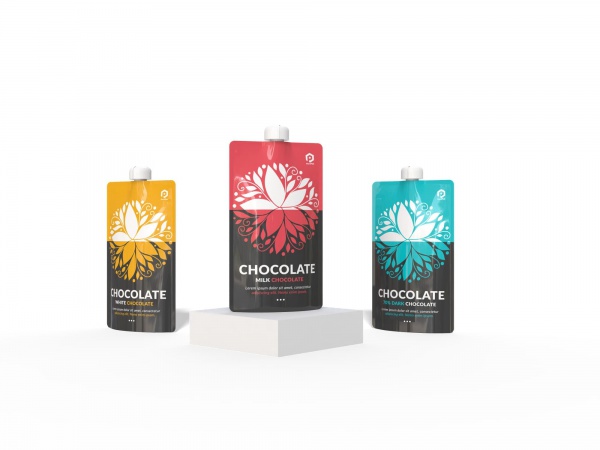

How to Choose the Best Packaging for Your Baby Food?
2025-11-28 16:36:17
Click:
“
The global infant food market—forecast to reach USD 185.47 billion by 2032—is placing growing emphasis on packaging safety, sustainability, and performance. Today’s leading baby food brands adopt flexible pouches, recyclable mono-materials, glass containers, and biodegradable films to meet rising consumer expectations for safety and environmental responsibility.
”

Baby food packaging is now one of the most important variables influencing purchasing decisions as the need for safe and nourishing infant products increases worldwide. The global infant food market is expected to grow to USD 185.47 billion by 2032 due to growing parental concerns about sustainability, convenience, and safety, according to Fortune Business Insights. Packaging is essential for maintaining product quality, guaranteeing legal compliance, and influencing caregivers' perceptions of companies.
Knowing the Safety of Baby Food Packging
The cornerstone of infant food packaging is safety. Strict international rules, such as those set forth by the FDA in the US and the EFSA (European Food Safety Authority) in Europe, must be met by baby food packaging. Baby food pouches must be designed to protect against air and moisture, prevent contamination, and block harmful chemical migration. To ensure safety, it is essential to use non-toxic, BPA-free, and food-grade materials.
Types Of Baby Food Pouch Materials
1. Glass Jars
Glass jars have long been a trusted solution for baby food because they are non-reactive, do not absorb odors, and provide excellent barrier protection. However, glass is heavier and more prone to breakage, making it less convenient for on-the-go parents.
2.Plastic Containers
Lightweight plastic containers made from PP (polypropylene) or HDPE (high-density polyethylene) are widely used in single-serve baby meals. These containers offer durability, transparency, and shatter resistance. The challenge is ensuring they are BPA-free and compliant with international migration limits.
3.Flexible Pouch Packaging
Due to their convenience and extended shelf life, flexible baby food pouches have emerged as one of the solutions with the fastest rate of growth, according to Future Market Insights. They are lightweight, simple to press, and perfect for blended meals and fruit purees. Modern multilayer barrier films provide protection from light, oxygen, and moisture.
Considerations for the Environment
Sustainable Materials
Traditional multi-material laminates are gradually being replaced by recyclable PET, mono-material PE or PP pouches, and biodegradable PLA films. These materials preserve product protection while lessening their negative effects on the environment.
Recyclable and Biodegradable Choices
Biodegradable and recyclable packaging choices are becoming more and more important in the infant food business as sustainability becomes a defining focus.According to studies from throughout the world, 72% of parents favor baby food brands that utilize environmentally friendly packaging, indicating a growing desire for materials that have a lower long-term impact on the environment.Because they naturally decompose under industrial composting settings without leaving hazardous residues, biodegradable films manufactured from plant-based PLA, cornstarch polymers, and cellulose derivatives are becoming more popular.
Impact on the Environment
Biodegradable materials assist keep garbage out of landfills, while lightweight flexible pouches greatly minimize carbon emissions during transit. Stronger market positioning and increased customer loyalty are further advantages for companies that make sustainable packaging investments.
Usability and Convenience

One of the biggest factors influencing baby food packaging these days is convenience, particularly as contemporary parents search for ways to make feeding easier during hectic schedules.One well-known example of how usability affects consumer behavior is the pouch format made popular by Ella's Kitchen; its squeezable pouches allow toddlers to safely self-feed, minimizing mess and providing ideal amount control.
Preservation and Shelf Life

Leading brands show how technology plays a significant role in extending shelf life without sacrificing nutrients in baby food packaging.Happy Family Organics, on the other hand, uses multi-layer flexible pouches with high-barrier films that resist moisture and UV light to preserve organics, which are more delicate by nature.The organic baby food pouch packaging solution demonstrate that robust barriers and airtight sealing are not only necessary for food safety but also for prolonging shelf life, cutting waste, and guaranteeing freshness until families are ready to serve.
Cost-Effectiveness

Another important aspect impacting package choices is striking a balance between quality and affordability, particularly as firms grow. Retailers like Aldi Little Journey's private-label products also exhibit cost-effectiveness by lowering production costs while adhering to stringent food safety regulations through the use of reduced packaging forms and simpler printing.These tactics demonstrate that efficient packaging is not just the least expensive choice but also the one that balances cost savings with consumer expectations, durability, and safety.
Consumer Feedback and Trends of Baby Food Packaging

Designing infant food packaging that satisfies actual market demands requires an understanding of customer sentiment.One prime example is Once Upon a Farm, which switched to cold-press pouches in response to parental requests for baby food that was less processed and fresher.Parents looking for clean-label nutrition and refrigerated freshness are catered to by their use of HPP-friendly packaging.Another notable example is Sprout Organics, which emphasized explicit ingredient listings on front-panel packaging and improved labeling openness in response to parent concerns.These illustrations demonstrate how baby food brands adjust in response to actual customer feedback, conforming to new trends like sustainable practices, clean ingredients, and easy mobility.
Conclusion
While maintaining compliance with international standards, selecting the best baby food packaging necessitates striking a balance between cost, convenience, sustainability, and safety.Packaging affects long-term competitiveness, consumer trust, brand identification, and product protection.
Puropak is a professional flexible packaging manufacturer that offers FDA/EU-compliant materials, recyclable laminates, and high-barrier baby food pouches that are specifically designed to meet the needs of newborn nutrition brands.Puropak assists baby food brands in producing baby food packaging that is safe, sustainable, and ready for the market with cutting-edge machinery, stringent quality control, and adaptable solutions.
Get in touch with the Puropak team right now to discuss custom food packaging solutions for your baby food.